
Call us now :08037735486
 Send Inquiry
 Send Inquiry
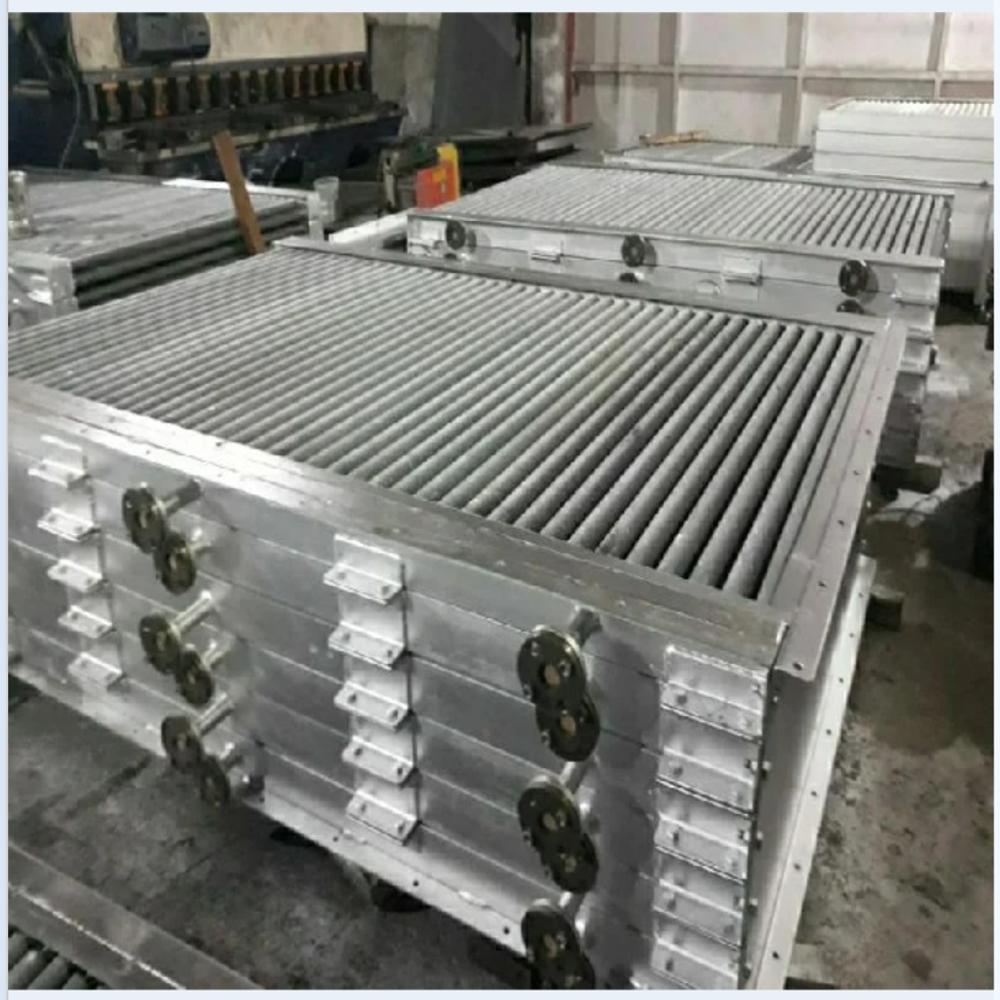
Steam Radiator for Rice Broken Glucose Plant
Price 450000.0 INR/ Unit
MOQ : 1 Unit
Steam Radiator for Rice Broken Glucose Plant Specification
- Material
- Mild Steel / SS304 / SS316
- Water Content
- 0.6% or lower (customizable as per plant requirement)
- Central Distance
- 700 mm (customizable)
- Working Pressure
- 0.7 MPa (7 kg/cm2)
- Rough Weight
- 1200 kg (approx. for standard unit)
- Thermal Pressure
- 1.0 MPa max.
- Dimension (L*W*H)
- 2000 mm x 1500 mm x 900 mm (can be custom engineered)
- Advantage
- High thermal efficiency, corrosion resistant, uniform steam distribution, easy maintenance
- Application
- Specially engineered for Rice Broken Glucose Plant evaporation and heating process
- Flow Type
- Cross/Counter flow configurable as per process requirement
- Mounting
- Horizontal or vertical mounting as per plant design
- Tube Material
- Seamless steel or stainless steel tube options
- Temperature Resistance
- Up to 250C
- Service Life
- 15-20 years with proper maintenance
- Corrosion Protection
- Coated and painted for long life and enhanced protection
- Steam Consumption
- Determined as per plant capacity
- Fin Type
- Aluminum / Galvanized steel fins for enhanced heat transfer
Steam Radiator for Rice Broken Glucose Plant Trade Information
- Minimum Order Quantity
- 1 Unit
- Delivery Time
- 5-7 Days
About Steam Radiator for Rice Broken Glucose Plant
Steam Radiator for Glucose Plant is fully functional industrial based directory focusing on all different types of finned tube heat exchanger. The finned tube Steam Radiator directory is compiled from the leading manufactures of Steam Radiator for Glucose Plant so that the user has many different choices from which to obtain the needed finned tube Steam Radiator.Advanced Heat Transfer Technology
Featuring seamless steel or stainless steel tubing combined with enhanced surface aluminum or galvanized steel fins, this steam radiator achieves high levels of heat transfer efficiency. The specialized design enables rapid and uniform heating, critical for the efficient operation of rice broken glucose plants.
Built for Durability and Flexibility
Coated and painted for maximum corrosion resistance, this radiator stands up to demanding operating conditions. Its robust construction, customizable dimensions, and options for vertical or horizontal mounting ensure compatibility with diverse plant layouts. With proper maintenance, expect a service life of 15-20 years.
FAQ's of Steam Radiator for Rice Broken Glucose Plant:
Q: How does the steam radiator improve the evaporation and heating process in a rice broken glucose plant?
A: The steam radiator maximizes heat transfer using specially designed fins and seamless or stainless tubes, ensuring rapid and uniform heating during the evaporation process. This supports consistent and efficient glucose production.Q: What materials are used in the construction of this radiator, and how do they benefit plant operations?
A: The radiator is constructed from choices of seamless steel, SS304, or SS316, paired with either aluminum or galvanized steel fins. These materials enhance thermal conductivity, provide excellent corrosion resistance, and extend the equipment's operational life.Q: When should I consider customizing the tube material or central distance for my plant?
A: Customization is recommended when specific process requirements or site constraints exist, such as unique space allocations, corrosion environments, or temperature and pressure conditions. Customizing the tube material or central distance ensures optimal fit and performance.Q: Where is the radiator best mounted within a glucose plant setup?
A: The radiator can be mounted either horizontally or vertically, depending on the plant design and available space. This flexibility allows integration into various stages of the glucose production process.Q: What is the general maintenance schedule to ensure a 15-20-year service life?
A: Routine inspection, cleaning, and periodic checks for corrosion or leaks are crucial. Maintaining protective coatings and following layout-specific guidelines will help achieve the radiator's expected long service life.Q: How is steam consumption determined for different plant sizes?
A: Steam consumption is calculated based on the specific capacity needs of each plant. This ensures the radiator delivers efficient heating without excess energy use.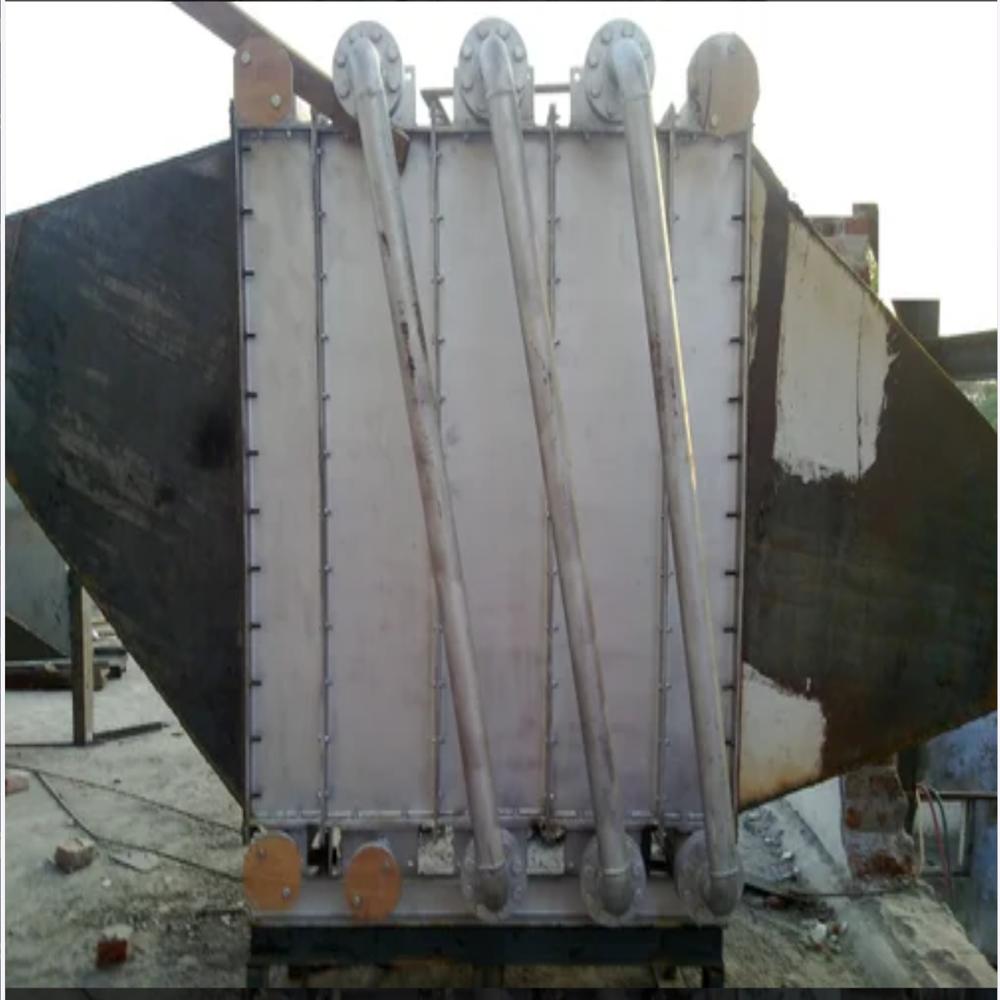
Tell us about your requirement

Price:
Quantity
Select Unit
- 50
- 100
- 200
- 250
- 500
- 1000+
Additional detail
Mobile number
Email

More Products in Heat Radiator Category
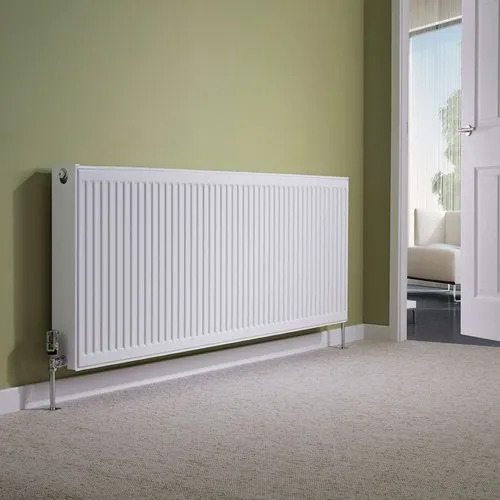
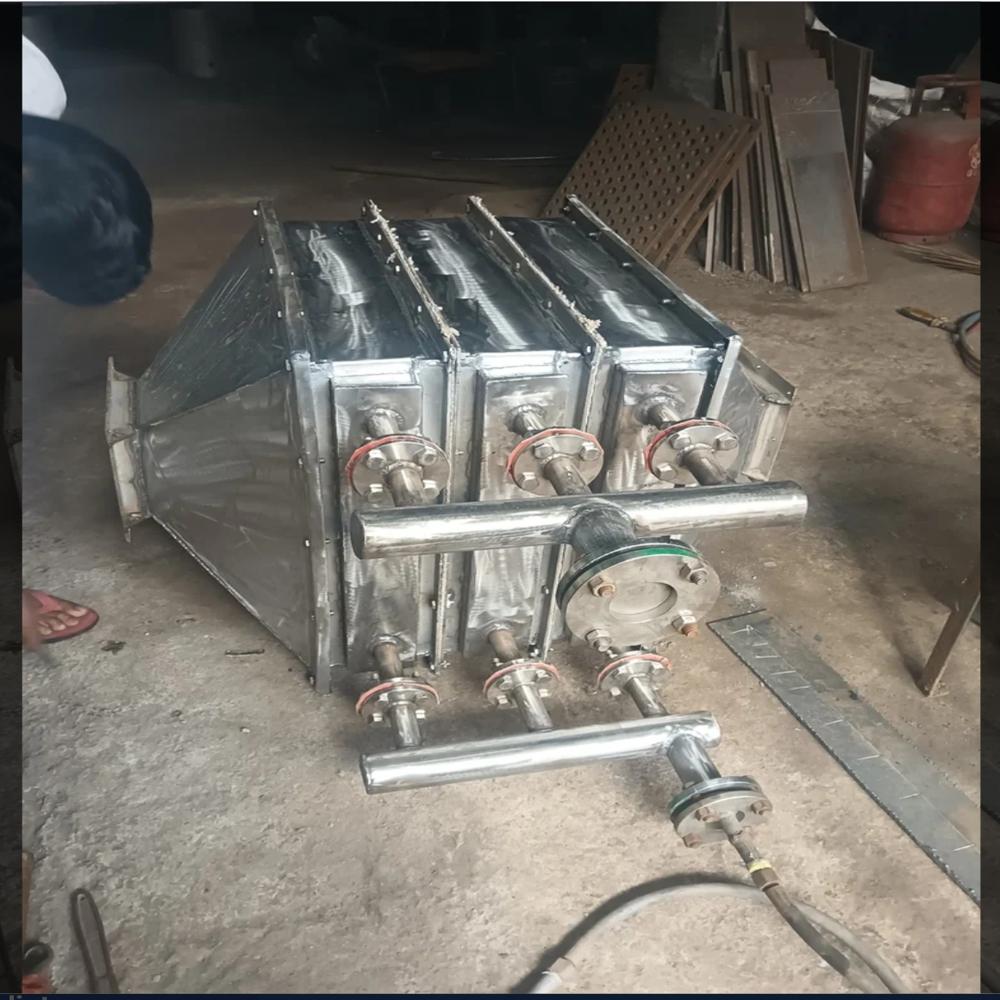
Modular Steam Radiator
Price 75000.0 INR / Set
Minimum Order Quantity : 1 Set
Central Distance : 500 mm
Rough Weight : 5.3 kg/section
Dimension (L*W*H) : 600 x 90 x 500 mm
Working Pressure : 1.0 MPa
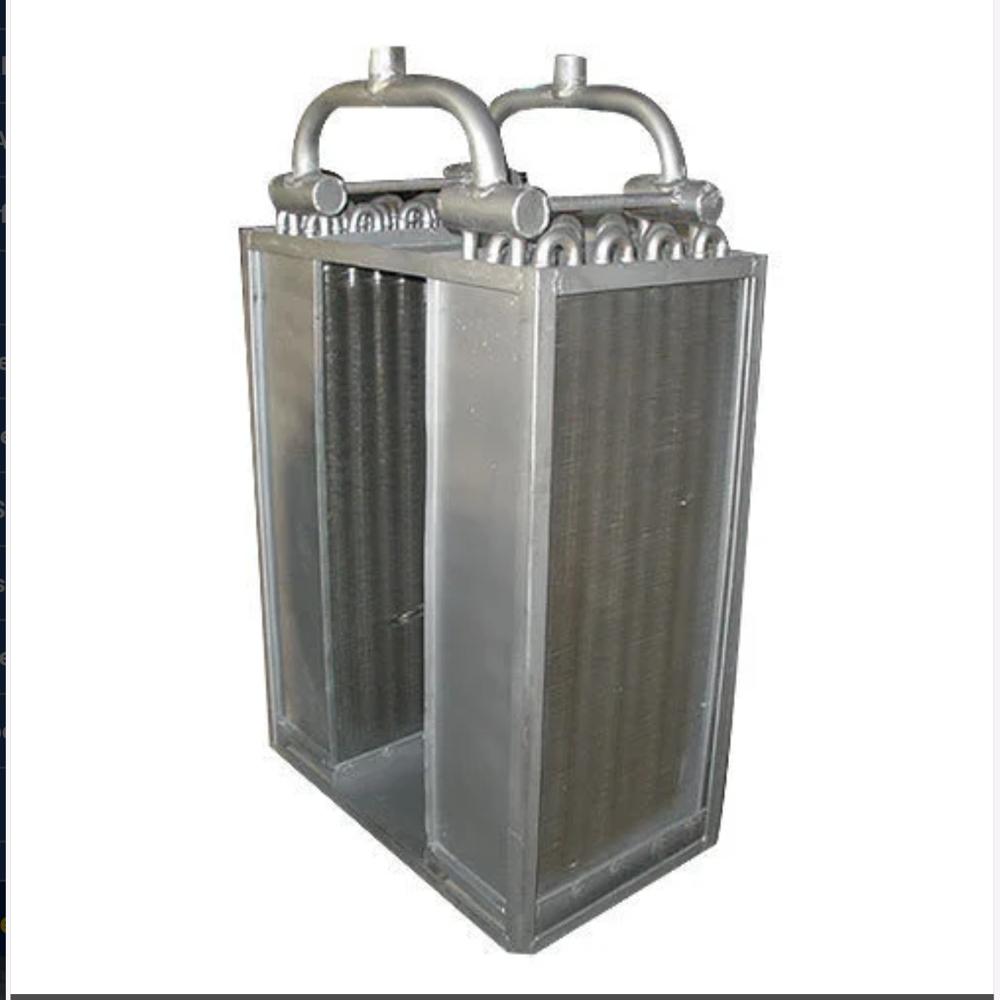
Laundry Tumbler Steam Radiators
Price 35000.0 INR / Set
Minimum Order Quantity : 1 Set
Central Distance : 750 mm / 900 mm
Rough Weight : 56 135 Kg (model dependent)
Dimension (L*W*H) : Customized as per machine size
Working Pressure : 6 10 Bar
Steam Radiator
Price 10000.0 INR / Set
Minimum Order Quantity : 1 Set
Central Distance : 500 mm
Rough Weight : 13.6 Kg
Dimension (L*W*H) : 600 x 100 x 580 mm
Working Pressure : 0.8 Mpa

 Send Inquiry
Our Products


Plot At Kh.No. 87/17/2,Gali, No.9 Revenue, Estate Village Mundka, Near Saraswati Vatika,New Delhi - 110041, India

Mr. Gurvinder Pal Singh
(Proprietor )
Mobile :08037735486
 Send Inquiry
 Call Me Free
Developed and Managed by Infocom Network Private Limited.


 English
 Spanish
 French
 German
 Italian
 Chinese (Simplified)
 Japanese
 Korean
 Arabic
 Portuguese