
Call us now :08037735486
 Send Inquiry
 Send Inquiry
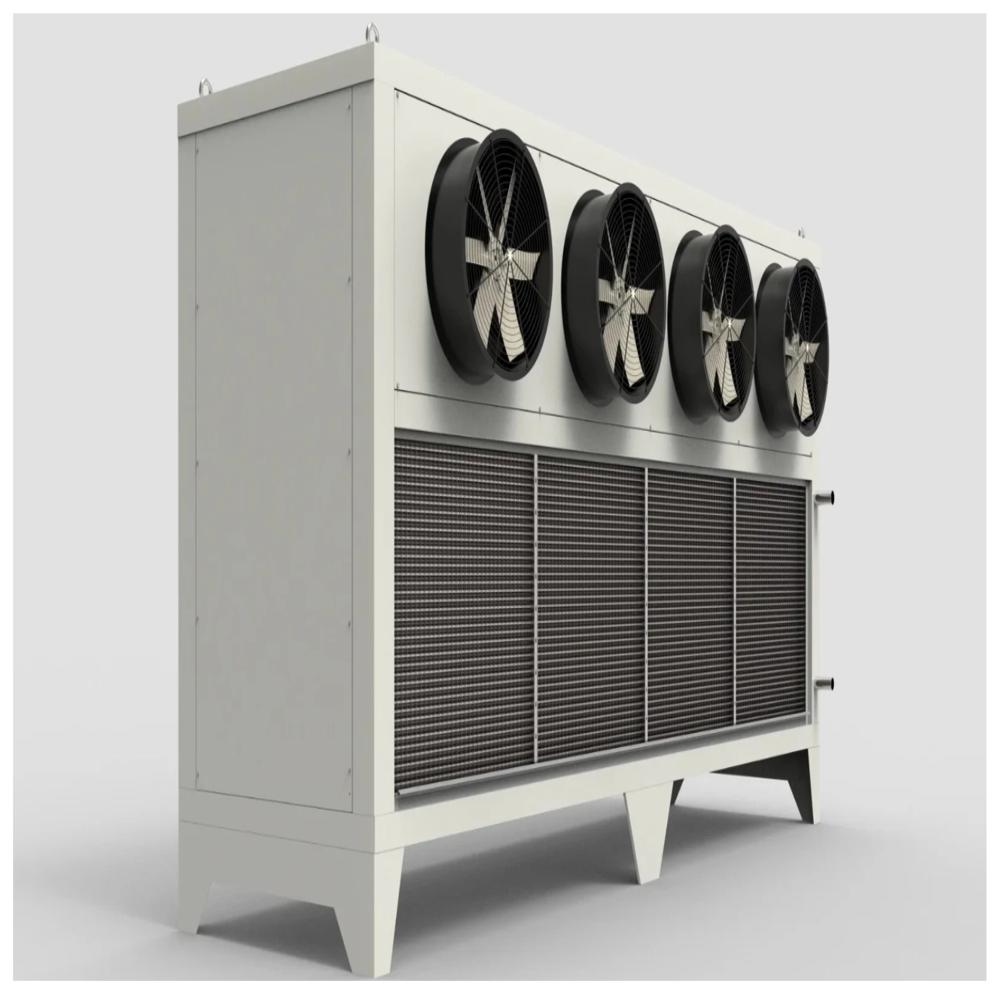
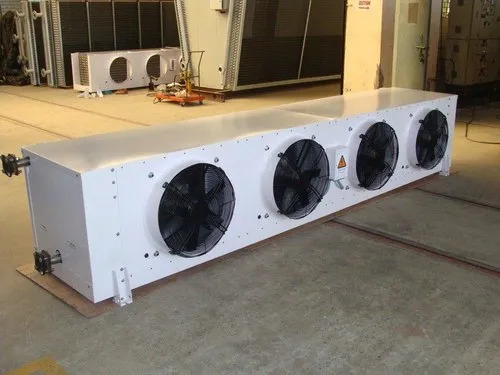
Industrial Evaporator
Price 150000.0 INR/ Piece
MOQ : 1 Piece
Industrial Evaporator Specification
- Sealing
- Mechanical Seal
- Pressure
- Up to 5 bar
- Condition
- New
- Process
- Evaporation
- Power Source
- Electric
- Application
- Industrial, Chemical, Pharmaceutical, Food Processing
- Material
- Stainless Steel
- Dimension (L*W*H)
- Customizable as per requirement
- Weight
- Varies as per model
- Power(W)
- 3 kW to 50 kW
- Voltage
- 220 - 380 V
- Service
- Onsite Support & Commissioning
- Feed Consistency
- Up to 25% TS
- Capacity
- From 100 LPH to 10,000 LPH
- Installation
- On Site
- Surface Finish
- Polished
- Heat Exchanger Material
- SS 304 / SS 316
- Type
- Forced Circulation / Falling Film / Multiple Effect
- Control System
- PLC Based
- Automation Grade
- Automatic / Semi-Automatic
- Operation Mode
- Continuous
- Temperature Range
- Up to 150C
- Cleaning System
- CIP (Clean-In-Place) Available
Industrial Evaporator Trade Information
- Minimum Order Quantity
- 1 Piece
- Delivery Time
- 5-7 Days
About Industrial Evaporator
Universal air coolers and evaporators are used in commercial and industrial cooling applications. Customers can select between highefficiency staggered tube systems or inline tube systems with large surface areas for sensitive cooling tasks. With extensive equipment and accessory options, all units offer high versatility.Advanced Evaporation Technology
Our evaporators leverage Forced Circulation, Falling Film, or Multiple Effect configurations, catering to diverse process needs. Designed for continuous operation, they efficiently handle feeds up to 25% total solids. Precision PLC controls and robust mechanical seals ensure optimal performance, safety, and reliability.
Customizable & Hygienic Design
Each system is crafted from premium SS 304 or SS 316 stainless steel, delivering durability and corrosion resistance. The polished surface finish and integrated CIP (Clean-In-Place) system ensure superior hygiene-ideal for demanding industrial, chemical, pharmaceutical, or food processing settings.
Seamless Installation and Support
Evaporator installation is performed on site by experienced technicians, ensuring a smooth commissioning process. Our team offers comprehensive after-sales support and training, so your operation can achieve maximum efficiency and minimal downtime.
FAQ's of Industrial Evaporator:
Q: How does a Forced Circulation or Falling Film evaporator work in industrial applications?
A: Both Forced Circulation and Falling Film evaporators use heat exchangers to rapidly evaporate liquid from feeds. Forced Circulation types circulate liquid at high flow rates to avoid fouling, while Falling Film models introduce liquid as a thin film, enhancing evaporation. These designs are well-suited for processing heat-sensitive products in various industries.Q: What are the benefits of having a PLC-based control system in the evaporator?
A: A PLC-based control system enables automated operation, precise process monitoring, and easy adjustment of parameters. This enhances efficiency, ensures consistent product quality, and reduces the need for manual intervention, resulting in safer and more reliable evaporation processes.Q: When should the CIP (Clean-In-Place) system be used, and how does it work?
A: The CIP system should be used regularly or as required to maintain hygienic operating conditions, especially in food or pharmaceutical applications. It operates by circulating cleaning solutions through the internal components without dismantling the equipment, ensuring thorough and efficient cleaning with minimal downtime.Q: Where are these industrial evaporators typically installed and commissioned?
A: Evaporators are installed and commissioned directly at the customer's facility. Our technicians manage the complete onsite installation and commissioning process, tailoring the setup to match your specific operational requirements and site conditions.Q: What is the process for selecting the appropriate capacity and configuration for my application?
A: To determine the best evaporator for your needs, consider feed volume, product nature, required concentration, and space constraints. Our team collaborates with you to customize capacity, heat exchanger material, dimensions, and layout to fit processes ranging from 100 LPH to 10,000 LPH.Q: How is the heat exchanger material chosen for specific industries?
A: Heat exchangers are available in SS 304 and SS 316 stainless steel to suit varied industry needs. SS 304 is standard for most applications, while SS 316 offers superior corrosion resistance, making it ideal for handling aggressive chemicals or pharmaceuticals.Q: What advantages does onsite support and commissioning provide?
A: Onsite support and commissioning ensure the evaporator is correctly installed, integrated, and optimized for your process. Our experts provide training, troubleshoot any issues, and help achieve efficient startup, minimizing downtime and maximizing productivity.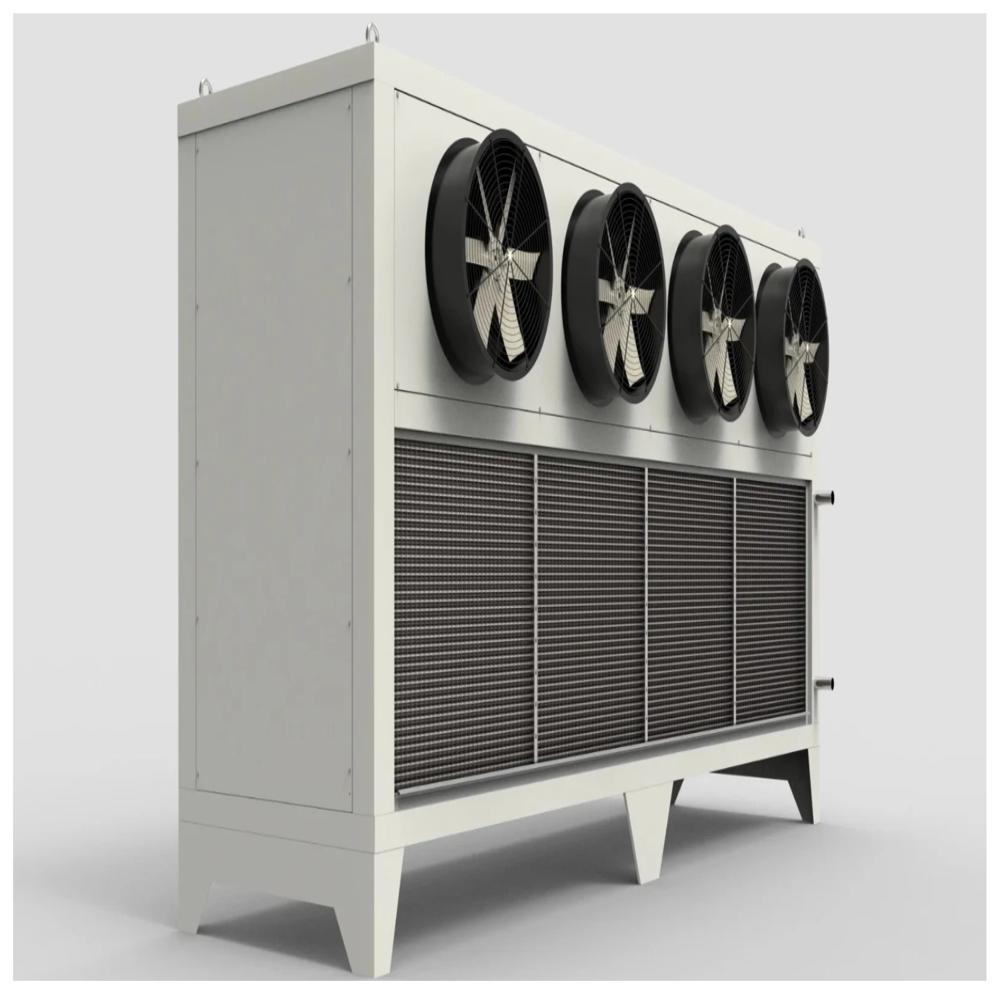
Tell us about your requirement

Price:
Quantity
Select Unit
- 50
- 100
- 200
- 250
- 500
- 1000+
Additional detail
Mobile number
Email

More Products in Industrial Evaporators Category
Cold Room Evaporator
Price 40000.0 INR / Piece
Minimum Order Quantity : 1 Piece
Condition : New
Material : Aluminum fins, Copper tubes, Galvanized Steel Casing
Pressure : Designed for low and medium pressure refrigerant circuits
Application : Other, Cold Rooms, Food Storage, Pharmaceutical Cooling, Industrial Chillers
Cold Room Evaporator Unit
Price 40000.0 INR / Piece
Minimum Order Quantity : 1 Piece
Condition : New
Material : Galvanized Steel / Aluminum Fins
Pressure : 3.0 MPa (High Side), 1.5 MPa (Low Side)
Application : Other, Cold Storage, Walkin Freezer, Commercial Cold Room
Ammonia Blast Freezer Evaporators
Price 200000 INR / Piece
Minimum Order Quantity : 1 Piece
Condition : Other, New Only
Material : Stainless Steel

 Send Inquiry
Our Products


Plot At Kh.No. 87/17/2,Gali, No.9 Revenue, Estate Village Mundka, Near Saraswati Vatika,New Delhi - 110041, India

Mr. Gurvinder Pal Singh
(Proprietor )
Mobile :08037735486
 Send Inquiry
Developed and Managed by Infocom Network Private Limited.


 English
 Spanish
 French
 German
 Italian
 Chinese (Simplified)
 Japanese
 Korean
 Arabic
 Portuguese